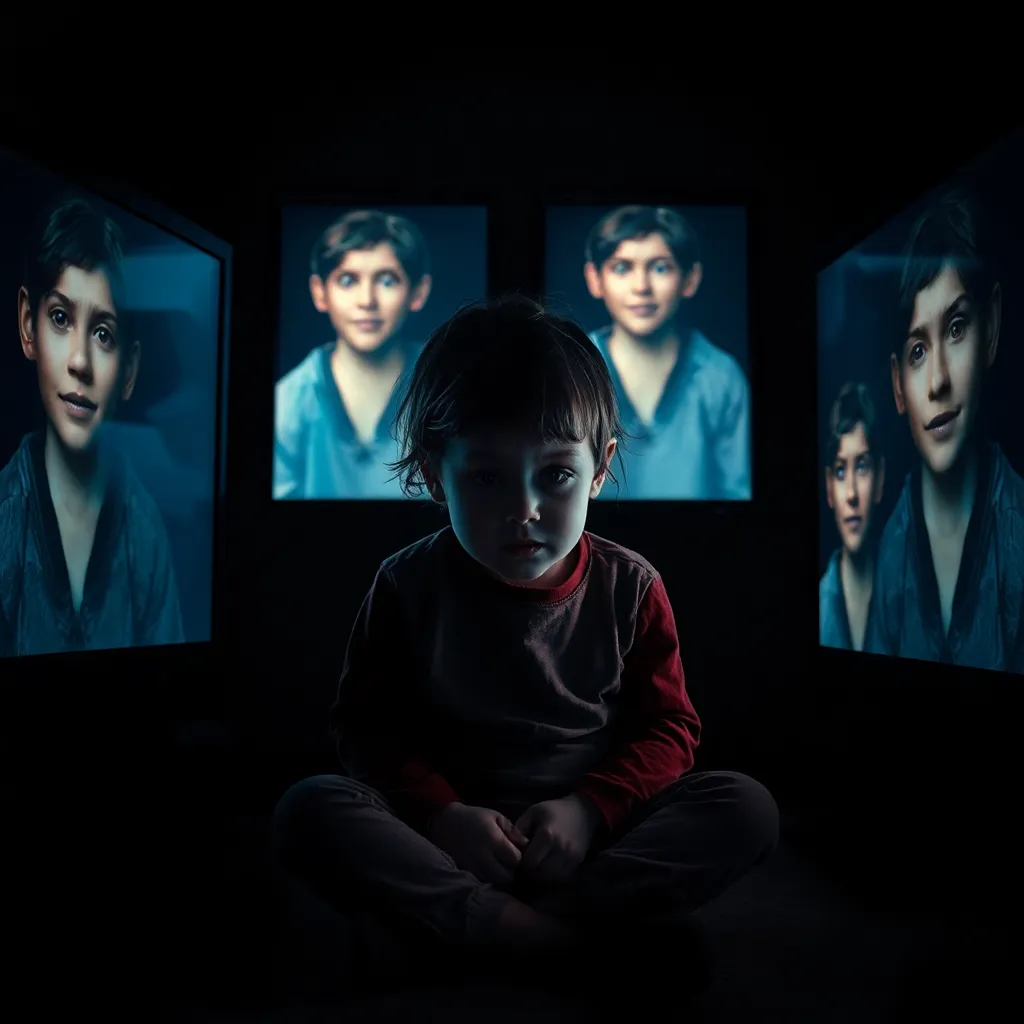
The Rise of the Deepfake Dilemma
Sheffield, England - In a world increasingly dominated by digital technology, children are growing up in a landscape that can be both enchanting and terrifying. Recent statements from the Children’s Commissioner have sparked widespread concern about the potential for sexual deepfake images to proliferate online, leaving kids feeling vulnerable and exposed. The era of innocent playdates has taken a dark turn, as kids now worry about their digital identities being hijacked by malicious creators.
The invention of deepfake technology—once hailed as a marvel of artificial intelligence—has turned into a modern-day bogeyman. Imagine a child, blissfully unaware, scrolling through their favorite social media platform, only to stumble upon a fake image of themselves that’s been altered to create unthinkable scenarios. In a survey conducted among schoolchildren, a staggering 87% expressed fears that deepfake technology could be used against them. “It’s like living in a horror movie,” lamented eleven-year-old Jamie, who dreams of becoming a professional gamer but now worries more about her online safety than her high scores.
The Digital Playground Gone Rogue
In Sheffield, a city known for its vibrant culture and rich history, children are finding it hard to navigate this new digital playground. The Children’s Commissioner, speaking out on this issue, stated, “Children should be able to enjoy their childhood without the fear of being victimized by technology. We need to create a safer online environment.” However, the question remains: what does that even look like in a world where malicious intent can be hidden behind a screen?
A Case of Misplaced Trust
The advent of deepfakes has not only impacted children but has also raised concerns among parents and educators. Recently, a teenager in Sheffield was involved in a tragic incident that saw him admit to the manslaughter of Harvey Willgoose at a local school. While this is a separate issue, it highlights the urgent need for discussions around the emotional and psychological impacts of digital content on youth today. “How can we expect children to process their realities when they’re bombarded with digital alterations of their very selves?” asked local teacher Ms. Thompson, who is advocating for increased digital literacy in schools.
Authorities Crack Down: But Is It Enough?
In response to growing concerns over digital safety, authorities have begun to crack down on the use of deepfake technology. In Indian-administered Kashmir, for example, officials have taken drastic measures, demolishing houses of alleged militants following a violent attack. While this is a different realm of safety, it underscores the lengths to which authorities will go to protect their citizens—be it from physical threats or digital ones. But as one concerned parent pointed out, “Demolishing houses won’t fix the digital landscape we’re all navigating.”
Teachers and NHS Workers: A Call for Better Pay
Amid these discussions, another important topic has surfaced: the pay review bodies have recommended increases for teachers and NHS workers above the government’s planned 2.8%. While this financial aspect may seem unrelated at first glance, it ties back into the narrative of safety and well-being. Educators and healthcare workers are on the front lines, dealing with the ramifications of a digital age that threatens the mental health of the younger generation. “If we’re not investing in our teachers and healthcare providers, how can we expect them to guide our children through these tumultuous times?” remarked John, a high school history teacher.
The Cultural Shift: From Music to Mayhem
The intersection of art and socio-political commentary has also come under scrutiny with the emergence of controversial statements made by bands during performances. A recent video from a 2023 gig showcased a band member exclaiming, “The only good Tory is a dead Tory.” Such remarks could potentially incite further division and unrest, especially among younger audiences who are still trying to understand their place in a complex world. Music, once a unifying force, is now becoming a battleground for ideological warfare.
What’s the Solution?
As the digital landscape continues to evolve, and the confusion surrounding deepfakes and online safety grows, it’s clear that comprehensive strategies must be developed. Here are a few suggestions that could help create a safer environment for children:
- Education and Awareness: Schools should implement programs that teach students about digital literacy and the implications of deepfake technology.
- Stricter Regulations: Governments need to enact laws that specifically address the misuse of deepfake technology to protect minors.
- Parental Guidance: Parents should engage in open conversations with their children about online safety, encouraging them to speak up if they encounter anything suspicious.
- Community Initiatives: Local communities can host workshops aimed at equipping families with tools to navigate the digital world safely.
Conclusion: A Collective Responsibility
As we forge ahead into this uncharted territory of digital existence, it’s imperative that we band together—parents, educators, authorities, and communities—to ensure that our children can thrive in a safe environment. The digital playground should be a realm of creativity and fun, not fear and exploitation. It’s time to redefine what safety looks like in this new age and ensure that our children can enjoy their childhood without the shadow of deepfake technology looming over them. After all, childhood is fleeting, but the impacts of our current digital landscape could last a lifetime.