Venetian Water Taxis and the Quest for Protein: How Celebrities and Larvae Are Changing the World
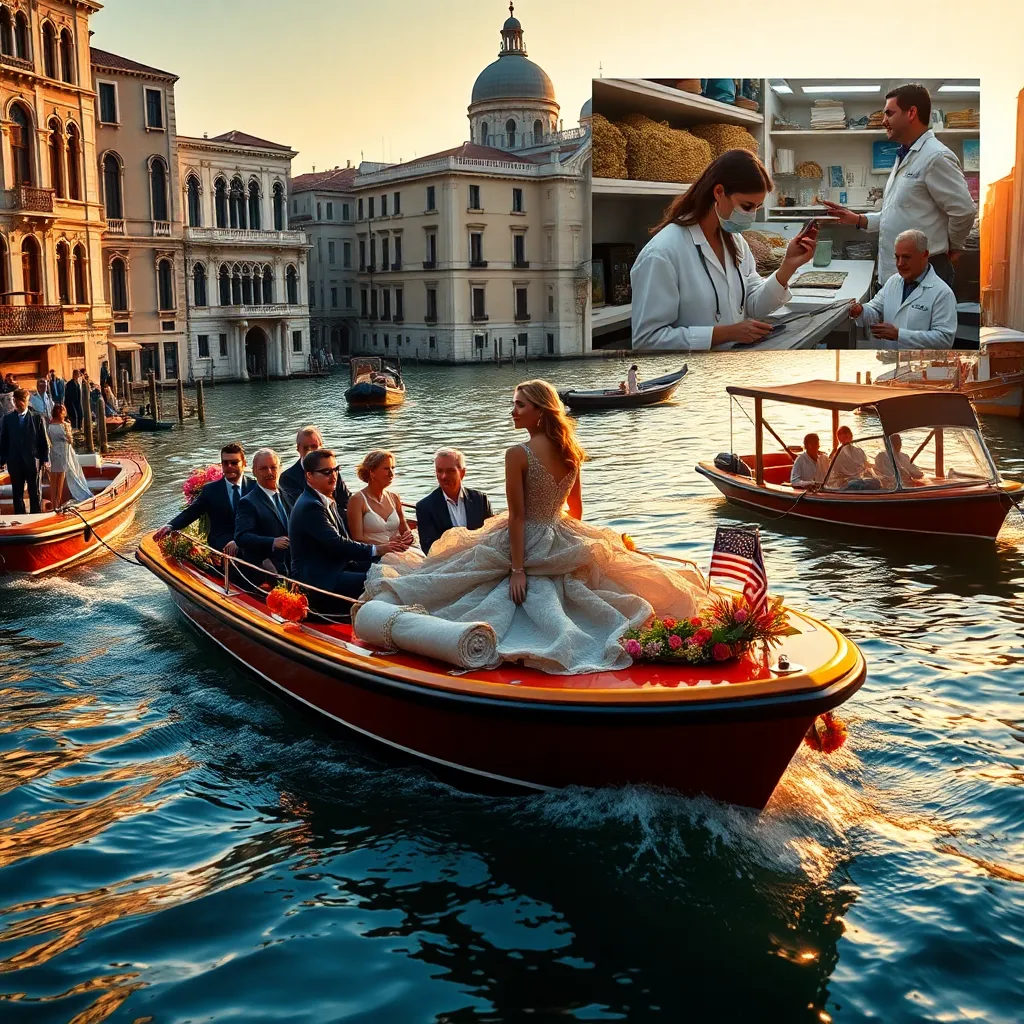
Venice, Italy - The canals of Venice are not just a picturesque backdrop for romantic gondola rides; they are now the stage for a lavish display of celebrity culture as stars glide through the waterways in water taxis, showcasing their opulent lifestyles. But as the glitterati gather for a multi-million dollar ceremony, an unexpected twist emerges: the humble yet industrious larvae of flies are making headlines in a completely different corner of the globe, revolutionizing the way we think about food waste and protein production.
Celebrities in Water Taxis: A Floating Fashion Show
The recent multi-million dollar ceremony in Venice has attracted a plethora of A-list celebrities, each striving to outshine the other in a floating fashion show. Water taxis, often mistaken for mere modes of transport, have become the preferred choice for stars wishing to make a splash—literally.
Rihanna was spotted donning a dazzling gown that appeared to be made entirely of recycled materials, waving at fans while her water taxi, aptly named The Starship, was almost capsizing from the weight of her entourage. Meanwhile, Leonardo DiCaprio, ever the environmental advocate, was seen attempting to steer a taxi made entirely of reclaimed wood, though reports say he ended up paddling in circles, debating climate change with a confused gondolier.
A New Wave of Celebrity Activism
Beyond the glitz and glamour, these celebrities are increasingly using their platforms to address pressing global issues, including climate change and sustainability. As they floated past the historic landmarks of Venice, many took to social media to promote their latest eco-friendly initiatives, from plant-based diets to ocean clean-up campaigns, leaving fans and followers both inspired and slightly bewildered.
“Why save the world when you can look fabulous doing it?” quipped one social media influencer, as she posted a picture of herself sipping a biodegradable cocktail while standing precariously on the edge of her water taxi.
The Larvae Revolution: A Protein-Packed Solution
While the rich and famous are busy navigating the canals of Venice, scientists in Lithuania and Australia are diving into a different kind of revolution—one that involves fly larvae and food waste. Researchers have found that these little critters can process organic waste into a valuable source of protein, tackling two pressing issues: food waste and protein scarcity.
The Science of Larvae
To the untrained eye, fly larvae may seem like a nuisance, but in the hands of innovative scientists, they are transforming into mini powerhouses of nutrition. By feeding on food scraps that would otherwise end up in landfills, these larvae convert waste into high-quality protein that can be used for animal feed and even human consumption in some cultures.
“Why throw away food when you can have a gourmet meal for your livestock?” stated Dr. Larva McInsect, a leading researcher in the field. “It’s like composting, but with a bonus protein punch!”
Culinary Delights or Creepy Crawlies?
As the world grapples with food security, the prospect of using larvae as a sustainable protein source is gaining traction. In fact, some high-end restaurants have begun experimenting with larvae-infused dishes. Imagine a gourmet pasta topped with a sprinkle of sautéed larvae and a drizzle of truffle oil. It’s the latest trend that’s got foodies buzzing—though some are still hesitant to swap their prized steaks for wriggling protein.
The Intersection of Glamour and Sustainability
Back in Venice, the juxtaposition of celebrity extravagance and the larvae revolution couldn’t be more stark. As stars celebrate their wealth and influence on the canals, researchers are busy advocating for a new kind of sustainability that celebrates the unglamorous but crucial aspects of food production.
A Call to Action
Perhaps it’s time for the celebrities of Venice to take a cue from the larvae revolution. What if they used their platforms to promote sustainable eating practices? Imagine a celebrity chef hosting a lavish dinner where instead of caviar and foie gras, the dishes featured innovative larvae recipes. “The future of food is here, and it’s crawling with creativity!” could be the tagline of the event.
Conclusion: A World Worth Celebrating
As we navigate this peculiar intersection of wealth, celebrity, and sustainability, it becomes clear that both the water taxis of Venice and the larvae revolution are asking us to rethink our priorities. Whether you’re cheering for your favorite star or diving into a new culinary adventure, the world is changing—and perhaps it’s time to embrace it with open arms (and perhaps a fork and knife).
So, as the celebrities float through the canals, let’s not forget the tiny heroes working diligently behind the scenes. Who knows? The next big movement in food sustainability might just be a little closer than we think—wriggling right under our noses.
In the end, whether it’s a luxurious water taxi ride or a protein-packed dish of larvae, the message remains the same: we can all do our part to create a better world, one ridiculous celebrity stunt or innovative food solution at a time.